CJIS compliant backup for vendors and what agencies check
No backup product is CJIS certified, because the FBI certifies no products. A backup is a copy of criminal justice information (CJI), so it falls under the same CJIS Security Policy rules as the live system: encryption, controlled access, screened staff and a known location. The agency will ask where copies live, who can restore them and whether a backup operator has passed a fingerprint based check. Cjis keeps those answers as a dated record with one report per agency. Plans start at $49 a month.

Key points
- Backups inherit the scope of the data they copy. A copy of a CJI database is CJI.
- Encryption of copies, both in transit to storage and at rest, is the first thing agencies check.
- Restore rights matter as much as storage. Anyone who can restore or open a backup is in scope.
- Copies in another region, another cloud or on a drive in a safe all need a location answer.
- The state CJIS Systems Agency (CSA) decides final scope. Get each rule in writing.
Where backups pull a system deeper into CJIS
Vendors often secure the production tenant and forget the places data is copied to. The table lists the usual ones.
| Backup location | Typical content | Agency question | What to document |
|---|---|---|---|
| Automated database snapshots | Full records | Same region, same keys? | Encryption setting, retention |
| Cross region or second cloud copy | Full records | Who operates it, where is it? | Location, access list |
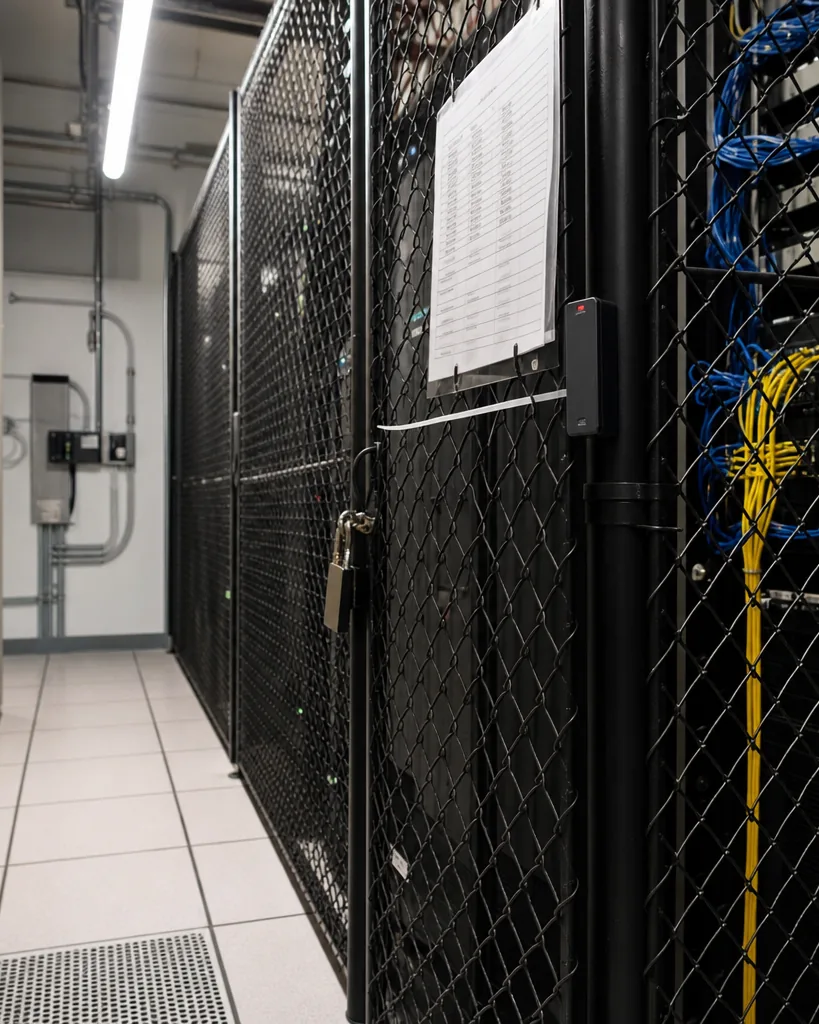
| Offline drive or tape | Full records | Physical control | Safe, custody log, destruction |
| Developer restore to a test system | Real records | Is test data masked? | Masking rule, deletion date |
| Log archive | Names, case numbers | Retention and access | Fields kept, review routine |
| Vendor support copy for debugging | Exported records | Who asked, who deleted? | Ticket, approval, deletion proof |
Hosting choices are covered in CJIS compliant cloud storage for vendors, and racks in a colocation cage in CJIS compliant data center and hosting for vendors. The encryption side is in CJIS encryption requirements.
The controls agencies expect on a backup
The policy treats backup media like any other CJI. In practice the review checks five things, and most are easy to answer when they are written down once.
| Control | What the agency wants to hear | Evidence |
|---|---|---|
| Encryption in transit and at rest | Validated cryptography, keys you control or the agency approves | Setting screenshot, key policy |
| Access to restore | Named roles, advanced authentication, logged | Role list, log sample |
| Location | Stated country and facility type | Region setting, provider documentation |
| Media sanitization | Copies destroyed on schedule and at contract end | Deletion log, certificate |
| Screened operators | Fingerprint check and training for anyone with access | Personnel register |
Read CJIS compliance consultant vs software if you are weighing who should own this paperwork.
A worked example for a records vendor with 7 agencies
A records software vendor has 18 employees and 7 sheriff and police clients. It takes a nightly snapshot of each tenant, keeps 30 days and copies the snapshot to a second region.
1. List every copy. Nightly snapshot, second region copy, a monthly export to a drive in a safe and a restore used by developers to reproduce bugs.
2. Cut the risky copy. Developers now restore only a masked dataset, so the restore of real records is limited to 3 operations staff.
3. Count the people. Of 18 staff, 6 could open a backup. After masking, 3 need fingerprint checks and training for the real data.
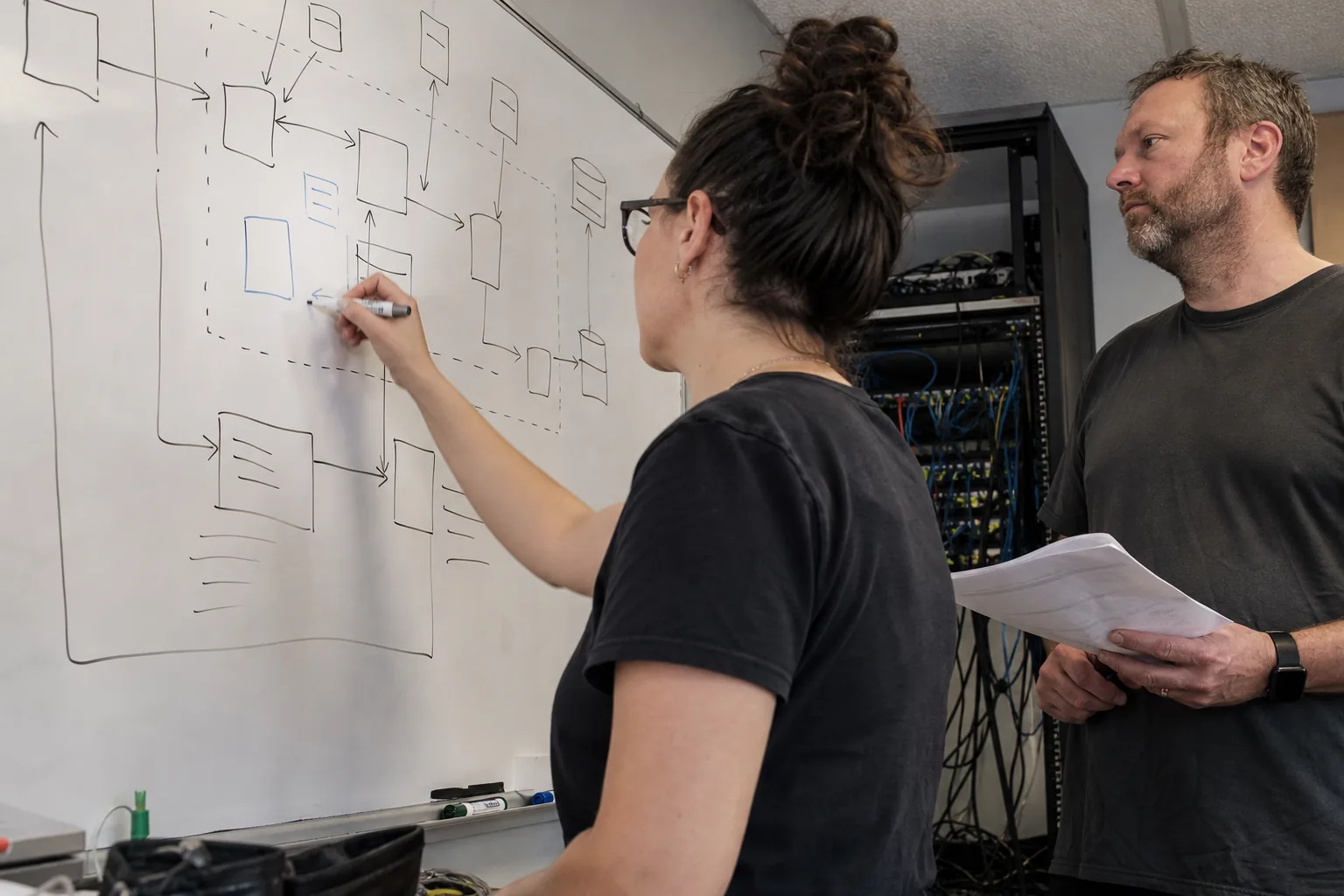
4. Cut 7 reports. Each agency gets the backup diagram, the retention table, the personnel list and the policy documents that match its rules.
Masking the developer restore dropped the screening list from 6 people to 3 and removed a whole questionnaire section. The numbers are illustrative, not data from a customer.
What a chief or IT director asks about your backups
Backup sections of a questionnaire are short and specific. Expect these.
- Where are backups stored, in which country and on whose infrastructure
- Are backups encrypted, with which module and who holds the keys
- Who can restore, and is each restore logged
- How long do you keep copies and how do you destroy them
- Have the people who can open backups passed a fingerprint based check
- How do you test recovery without exposing real records
The same list feeds a bid. For the paperwork side, read CJIS RFP response for software vendors.
Backup operators are CJIS personnel
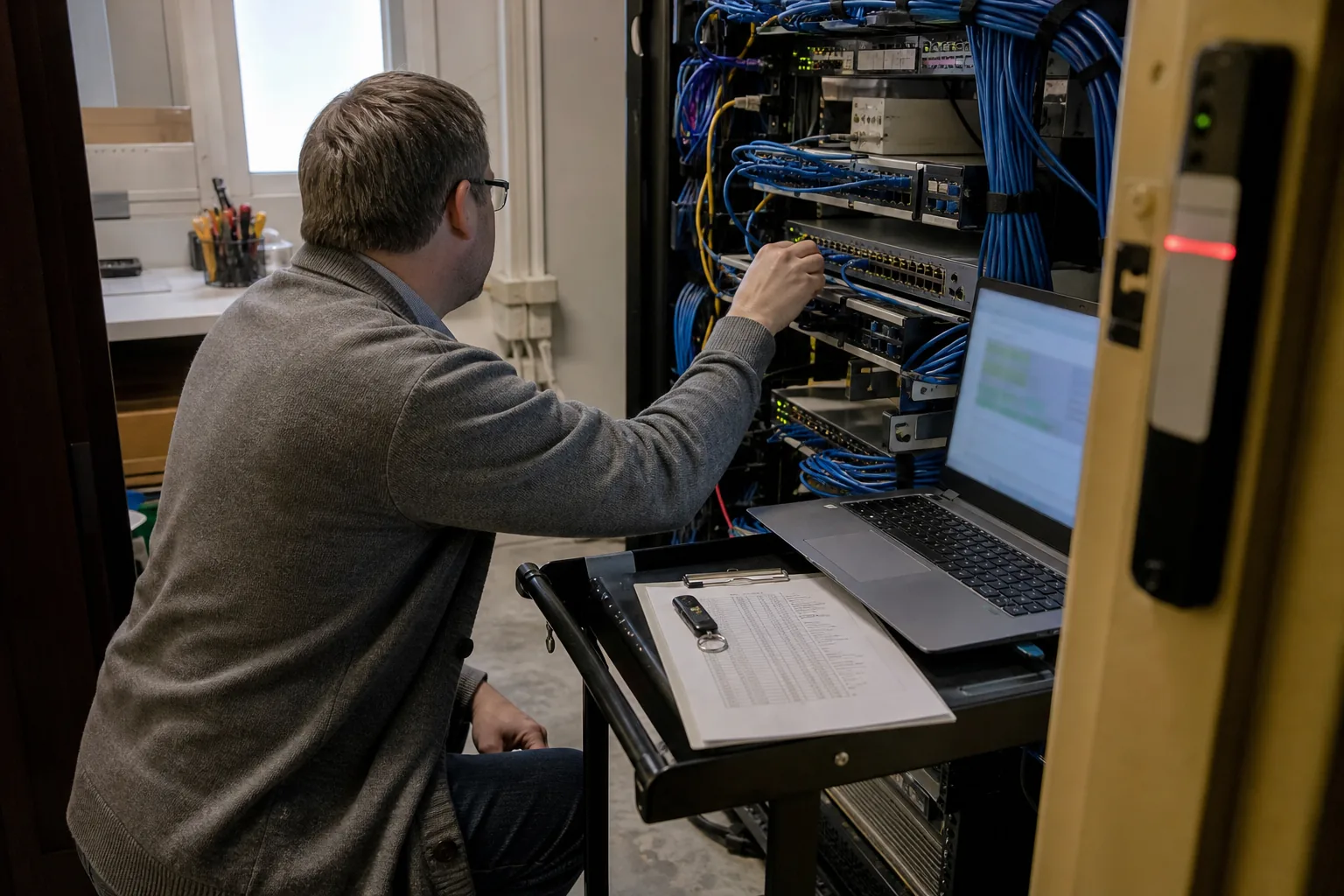
An engineer who restores a database, a managed provider that runs the backup service or a support person who pulls an export all have unescorted access to unencrypted CJI. Each needs a fingerprint based record check and security awareness training. States differ on whether vendor staff are cleared once or per agency, and CJIS vendor screening programs explains the shortcut some states offer. If an outside provider runs your backups, see CJIS compliance for managed service providers.
Turn the answers into a record agencies can open
A vendor with seven agencies, then seventy, cannot rebuild the backup answer for every bid. Cjis maps your controls to CJIS Security Policy v6.0 and v5.9.5, attaches dated evidence to each control, tracks every employee's check and training dates and exports a PDF or read-only link scoped to one agency. The official text lives in the FBI CJIS Security Policy resource center. If you bill agencies per seat or per module, a tool such as find revenue leaks in subscription billing can help keep the money side clean while you sort out the security side.
Questions vendors ask about CJIS compliant backup
Is there a CJIS certified backup service?
No product holds a CJIS certification, because the FBI does not certify products or vendors. A backup service can be configured to meet agency requirements, and the vendor documents encryption, location and staff access. The agency and its CSA decide if that is enough.
Do backups have to stay in the United States?
Many states require CJI, including copies, to stay in the country, and some require the same state. The policy itself leaves detail to the CSA. Ask each agency for its rule in writing and record the region.
Do backups need to be encrypted?
Yes. Copies of CJI are protected like live data, in transit and at rest, using validated cryptography. Document the setting and who controls the keys.
Who needs fingerprinting for backup access?
Anyone with unescorted access to unencrypted CJI, including operators who can restore. Limiting restores to a few named roles shortens the list. The CJIS Security Addendum for vendors post covers the signing side.
Can developers restore production backups to test?
Agencies usually object. Restore a masked dataset instead, or limit real restores to screened staff and log each one. Record the rule in your policy.
Start with the records every agency asks for
Run the 12 question readiness check, see your gaps by policy area and build your first agency report. Audit trails are covered in CJIS compliant logging. Teams that sell case software can read CJIS compliance for court case management vendors, and general buyers can start from CJIS compliance for vendors.